

Men’s Reproductive Health and the Biological Clock
As men age, reproductive health can change, impacting testosterone levels and sperm quality. This guide explores the male biological clock, how age affects fertility, and lifestyle factors that may support reproductive wellness. Discover practical steps for staying healthy and informed on your family planning journey.

False Positive Pregnancy Tests - What Causes Them and How Common Are They?
False positive pregnancy tests are rare - though there are instances and conditions where they can occur. Find out more here...

Marijuana Use While Trying to Conceive, Pregnant & Breastfeeding
Marijuana Use While Trying to Conceive, Pregnant & Breastfeeding - Is it safe for you and your baby? Click here to find out...
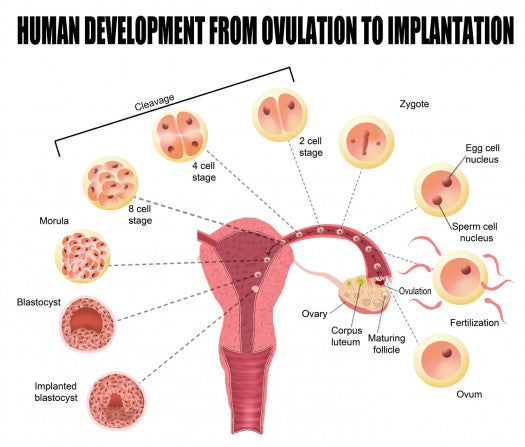
Implantation Bleeding After Conception - When it Happens & What it Looks Like
When your egg is fertilized it take a while before it implants and starts producing hCG . This article discusses how long this takes and how soon you should be able to see a positive result on a pregnancy test.
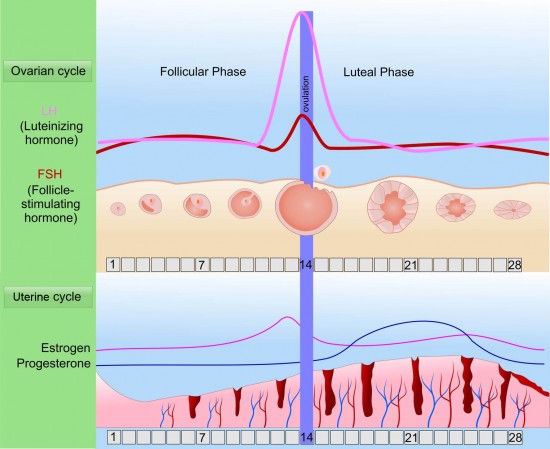
What is a Luteal Phase Defect or LPD?
What is the Luteal Phase? The luteal phase is the second part of the menstrual cycle and it is the time after ovulation until your period starts. In ideal circumstances, the luteal phase is about 14 days long but can run from 10 to 17 days long. During the luteal phase, the production of estrogen and progesterone increase. This increase helps prepare the uterine lining for the implantation of the fertilized egg. If there is no fertilization, the uterine line sheds, and your period starts. What is a Luteal Phase Defect? If the number of days between ovulation and your period starting is 10 days or less, doctors classify this as a luteal phase defect. Some doctors consider a luteal...
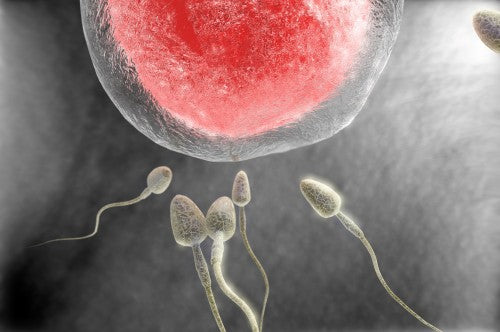
Does Abstinence Help to Improve Sperm Count?
Abstinence won't improve your chances of getting pregnant. Studies have shown that men with normal sperm count and motility can go a bit over a week without ejaculation, and sperm health doesn't suffer. If you have sperm health issues, you should only abstain for a day for the best quality sperm. Additionally, if you abstain for too long, you could cause harm to your sperm. The motility and morphology of your sperm will deteriorate if you abstain for over a week. As you might suspect, this is extremely damaging when it comes to conception. Thus, the studies state that men should ejaculate between three and four times a week to ensure proper motile, healthy sperm. A...
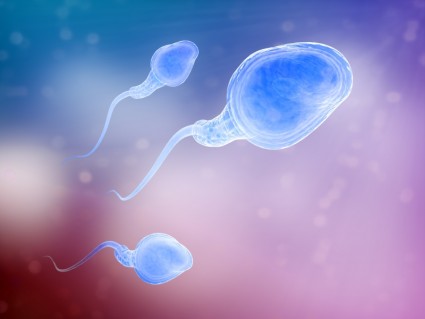
How Long Can Sperm Live Inside The Female Body?
This post contains affiliate links. We will earn a small commission if you purchase something after clicking on the link. Read our affiliate disclosure here. How Long Alright, ladies, let's get personal. We're going to talk about sperm. Sperm is a vital part of the journey when you make the official "try to conceive" decision. We all know that ovulation is necessary to get pregnant, but sperm plays an equally important role. Women know their bodies intimately when tracking fertility but may overlook the sperm aspect. It's essential to know how long sperm can live inside the female body to optimize your chances of getting pregnant. Does Sperm Survive After Ejaculation? Your body is close to the temperature...

How To Get Pregnant - 9 Tips To Help You Conceive
This post contains affiliate links. We will earn a small commission if you purchase something after clicking on the link. Read our affiliate disclosure here. You'd think most people would know how to get pregnant, but many couples find out that it isn't as easy as just having sex. Many things can make getting pregnant harder than you expected. If you choose to follow the advice, these nine tips can help increase your chances of getting pregnant. What You Should Start Doing - Fertility Friendly Habits 1) Most Important How To Get Pregnant Tip - Know When You Ovulate! Knowing when you ovulate is one of the biggest things you can do to help improve your chances...
Why Is My Ovulation Test Positive For 2 Days In a Row?
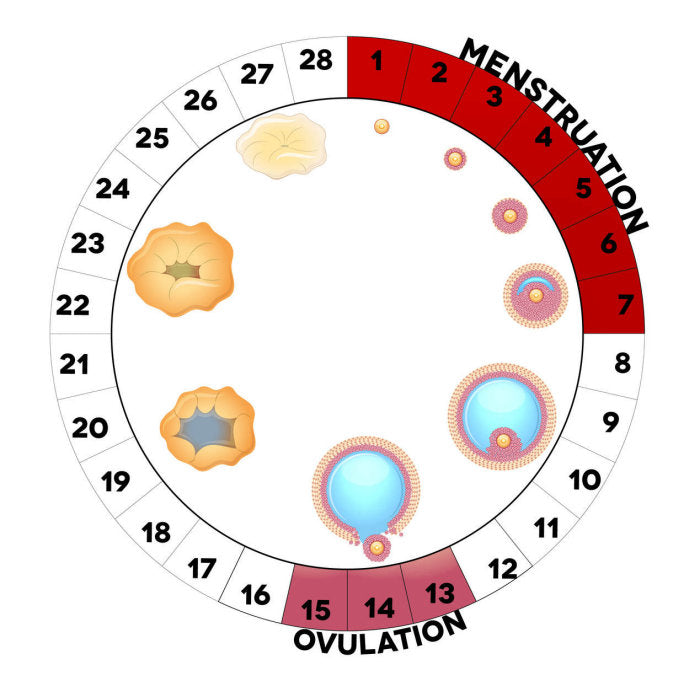
If you’re trying to conceive, understanding your most fertile days can feel like a high-stakes puzzle! So, when you see a positive ovulation test for two days in a row, it can be confusing—and maybe even a little stressful. You’re not alone; it’s actually pretty common, and there’s a reason for it. Let’s dive into why your ovulation test might be positive two days in a row and what it means for timing intercourse. How Do Ovulation Predictor Kits (OPKs) Work? An ovulation predictor kit (OPK) works by detecting your body’s luteinizing hormone (LH) levels. Right before ovulation, the LH surge acts as your body’s signal that an egg is about to be released, usually within the next...
Evaporation Lines and Early Pregnancy Tests
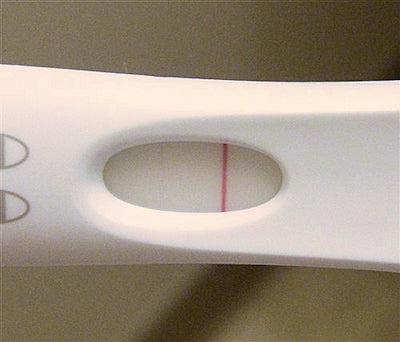
What are Pregnancy Test Evaporation Lines? As the name suggests, evaporation lines appear due to urine evaporation within the testing area of your pregnancy test. These lines show up in the result window of the test, exactly where a positive sign would be. An evaporation line develops when the urine on the test area begins to dry, leaving a faint line. What Causes Evaporation Lines on a Pregnancy Test? These lines show up due to the particular urine specimen's composition and may appear on any test regardless of brand. You may see a clear-ish line if you read the results after the time frame the instructions stated or if you took the test incorrectly. How Common are They? Evaporation...