
What Is The Difference Between A Basal Thermometer And A Regular Thermometer?
Basal Temperature
The basal body temperature, a measure of the normal temperature of an average person upon waking, rises as a result of hormonal changes during ovulation. Ultra-sensitive basal thermometers are capable of tracking even the most minute of basal temperature changes. Taking and recording your basal temperature is an easy and straightforward method to track, allowing you to pinpoint the occurrence of ovulation within your menstrual cycle.
Because of the nature concerning basal body temperature, this method will only be accurate if you take your temperature upon waking and at a consistent time. Variance in the time that the temperature is taken each day could cause incorrect results and comparison between your temperatures from day to day. The best time to take your basal temperature is right after waking up, before even getting out of bed. The best way to achieve this is to keep the thermometer within close reach on a bedside table, allowing you to easily access it upon awakening without any unnecessary movements that could cause a rise in temperature.
For the average woman, the normal basal body temperature lies between 96 and 99 degrees Fahrenheit. On the first day of ovulation; however, this temperature drops slightly then rises about half a degree. This rise in temperature, induced by an increase in the production of the progesterone hormone, creates a warmer and lusher environment for conception. Basal thermometers are accurate enough to measure this small temperature rise, allowing for a low-tech and inexpensive way to track ovulation.
Basal Thermometer
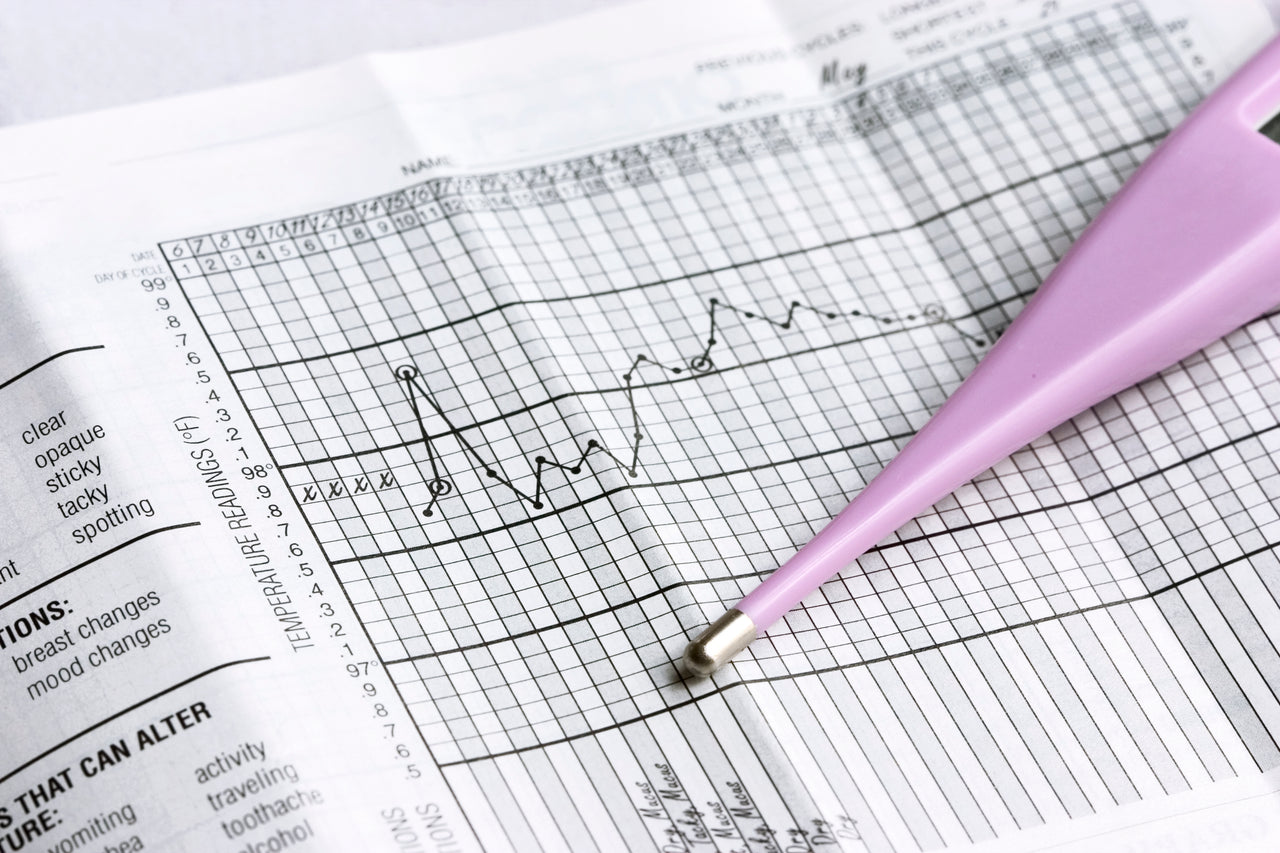
A basal thermometer can be used to chart a woman's basal body temperature, thus allowing them to predict their fertile period or ovulation. Although there are different basal thermometers available on the market, digital basal thermometers are your best bet, allowing for better accuracy and easier readings. Some thermometers also include blank basal body temperature graphs for the user to track their temperature over multiple cycles.
Basal Thermometer vs. Regular Thermometer
Whereas typical fever thermometers measure to the tenths place of a degree, basal thermometers measure to the hundredth place. This additional increment provides a more accurate measure, better for measuring the subtle changes in basal body temperature.
Digital basal thermometers are also more reliable to track this variance than even glass basal thermometers. A digital reading is more accurate and easier to read than a traditional glass thermometer, giving the more precise reading essential to this charting method.
In addition to being more accurate, digital basal thermometers are also fast. They can provide a reading in approximately 30 to 60 seconds. Glass basal thermometers, on the other hand, can take up to 5 minutes to give a reading. Digital thermometers are also more durable and difficult to damage, and some will store your temperature in case you do not want to chart it immediately.
Leave a comment: