
If I Missed My Period Does That Mean I Didn't Ovulate?
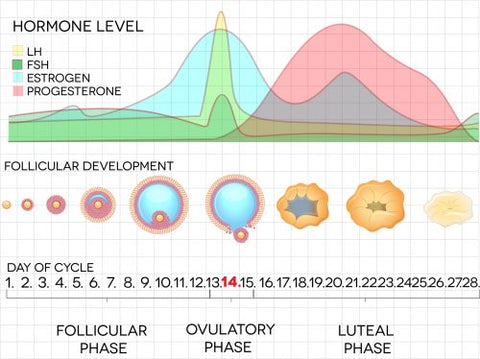
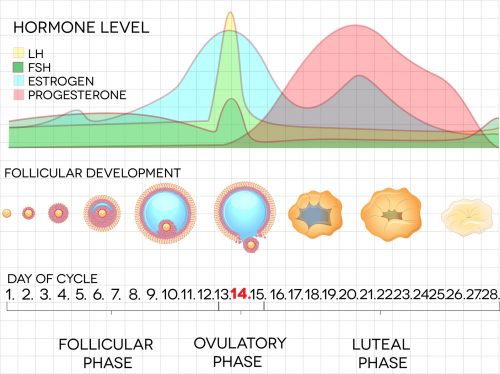
There are many reasons why you would miss a period. Your period should typically start 12 to 16 days after you have ovulated. Once ovulation has occurred, the status of the egg will determine whether you will get your period. If the egg is fertilized correctly and implanted, then there will be no bleeding although ovulation did occur. One of the most commonly asked questions amongst women who are trying to get pregnant is whether or not a missed period means that no ovulation has occurred.
Ovulation is Complex
The answer to the question above is a complex one as many factors could influence a missed period. According to MedicineNet, the term doctors’ use for women who do not begin menstruating at all is primary amenorrhea. This is extremely rare while secondary amenorrhea, which is a lack of periods in a woman who has menstruated before, is far more common. This could be in the form of irregular periods or skipped periods during the time just after a woman has begun menstruating or during the peri-menopausal phase (the time just before menopause).Factors Influencing Secondary Amenorrhea
A diagnosis of secondary amenorrhea can only be made if you have missed three periods. Reasons for secondary amenorrhea could be one or more of the following:- Stress
- If you are under a great deal of stress, then you are more likely to skip a period. If you are also severely underweight or obese, then you could even skip a period or have secondary amenorrhea. This is why doctors place such a significant emphasis on staying healthy and eating right – what you put into your body will influence your menstrual cycle. Do not go on an extreme weight loss diet as this can cause you to miss a period as well.
- Jetlag and Travelling
- Jetlag and extensive travel also influence a woman’s menstrual cycle. This is because your sleeping and eating schedule are not properly synched, which harms your overall health.
- Excessive Exercise
- Excessive or extreme exercise can disrupt your menstrual cycle and lead to secondary amenorrhea.
Ovulation Might Not Have Occurred
The most common reason for a missed period is that no ovulation occurred. If you have missed a period, but know that you are not pregnant, then it is safe to assume that ovulation did not occur. This is referred to as anovulation or an anovulatory cycle. A word of caution here: anovulatory bleeding can happen in an anovulatory cycle. This bleeding or spotting is not a normal menstrual period and can be very difficult to distinguish. The reasons for anovulation are the same as for amenorrhea:- Stress and anxiety can wreak havoc on regular ovulation and menstruation.
- Extreme exercise and weight loss can interfere with ovulation by preventing the output of hormones called gonadotropins from your hypothalamus in your brain.
- Drugs and medications, such as steroidal oral contraceptives, can also negatively influence ovulation.
- Hormonal balances such as estrogen and progesterone imbalances, a malfunctioning corpulsteum, congenital adrenal hyperplasia, premature ovarian failure, and hyperprolactinemia are all possible causes.
Leave a comment: