
Is Bleeding or Spotting During Ovulation Normal? Should I Worry?

Any sort of bleeding or spotting that doesn't happen around your period can be disturbing. There are many reasons why a woman may bleed during different times in her cycle. One of the causes can be from ovulation. Ovulation bleeding typically happens about two weeks after your period last started.
Causes of Ovulation Bleeding or Spotting
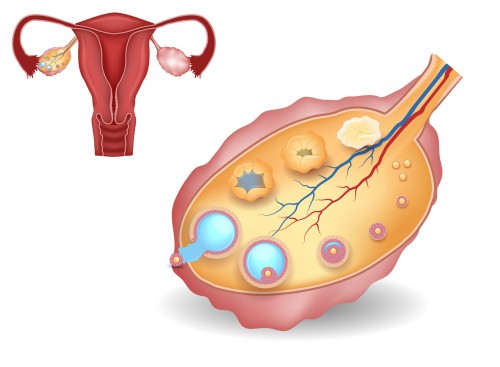
Scientists don't know why a woman bleeds at ovulation. One of the main theories is the emergence of follicles on the ovary. The hormones in the body produce about 20 follicles. These follicles contain immature eggs. Only one of the follicles will mature and rupture at ovulation. When the follicle bursts, it may cause pain, known as mittelschmerz. Some women will also experience a small amount of bleeding. Youtube Another theory believes the ovulation bleeding is due to the changing levels of estrogen right before ovulation. Before ovulation, a woman's estrogen level spikes. This increase of estrogen may cause light bleeding that happens for some women.
What Does Ovulation Bleeding Look Like
Ovulation related bleeding will be very different from the bleeding you experience when your period arrives. It will be a very light flow or spotting. This bleeding is not a heavy menstrual flow, nor is it as dark as menstrual flow. The coloration is generally a light pink or even a light orange and tends typically only to last a day or two.
Ovulatory Bleeding and Spotting as A Fertility Sign
If you want to get pregnant, ovulatory bleeding is a good sign. It signals that having sex "right now" is in order. If you are sure that the bleeding is ovulation related, you can plan your baby making sex accordingly. Not every woman experiences this, so it is not a reliable indicator of ovulation. Ovulation predictor tests would be a better indicator that ovulation is near. They let you know 24 to 36 hours before you ovulate. The time frame gives you a bit more leeway about when you can have sex. Remember, sperm can survive up to 5 days, so you don’t HAVE to have sex the day you ovulate. Of course, the closer to ovulation you have sex, the better your chances of getting pregnant. If you have timed intercourse correctly, you may want to consider using a pregnancy test in about ten days!Concerns about Bleeding Around Ovulation and Through Your Cycle
Bleeding during ovulation is entirely normal. However, in some cases, it can be an indicator that something else is going on.- If you have more than one bleeding episode in a cycle, this could signify that you are not ovulating at all.
- Bleeding that is heavier than usual could signal a problem like endometriosis.
- If you have pain that does not go away or the bleeding is long-lasting or severe, you will need to check with your care provider. They will be able to examine you to find the cause of the bleeding. It could be something different than ovulation.
- Mid-cycle bleeding, not related to ovulation, can be caused by endometriosis, irritable cervix, polyps in the uterus, or cervical polyps. Your doctor can perform tests that can find the actual cause of your bleeding.
As with all things body related, if you have a concern about what is happening talk to your doctor. They can help explain things to you or help you find out what is going on.