
Can You Get Pregnant After Ovulation?
There is a lot of confusion about whether or not you can get pregnant after ovulation. The correct answer is, yes you can, but only for a very short time.
Figuring out when you ovulate and when to have sex is very important. Where baby making is concerned, timing is everything.
Understanding Ovulation
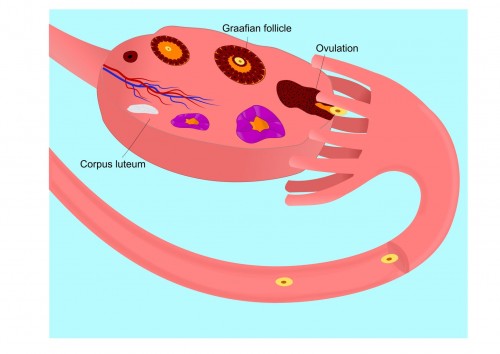
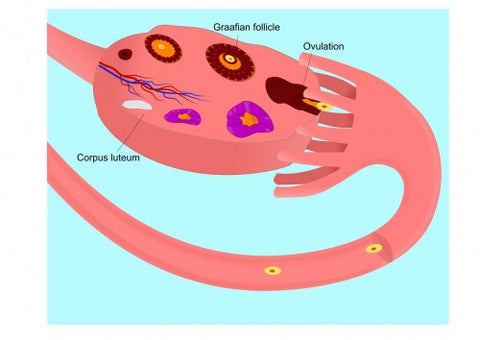
Ovulation is the release of the mature ovum from the follicle into the fallopian tubes. Ovulation usually occurs around day 14 of a regular 28-day menstrual cycle. After the egg is released, sperm can fertilize it for 12 to 24 hours before it begins to disintegrate. This is the most fertile period of your cycle, and during ovulation, your chances of conception are highest.
The best way to pinpoint when you ovulate is to use ovulation predictor test. When you use an ovulation predictor test, it is testing for the hormone surge that occurs before ovulation. A positive result on your test means that you will be ovulating within 24 to 36 hours.
A less precise way to finding out when you will be ovulating would be to use an ovulation calendar. You can find one online or in the app store of your choice. The downside of fertility calendars is that they are based on the average woman's cycle. If you have a different cycle or have irregular cycles, these calendars are not as useful. It does not allow for cycle variations like a shorter luteal phase which would shift when you ovulate.
In a textbook 28 day cycle, a woman will ovulate on day 14, and her period will arrive two weeks later. The exact time of ovulation may vary within your cycle even if you have incredibly regular menstrual cycles.
Ovulation can be delayed by several factors, including stress, illness, diet, or increased physical activity. If you are trying to get pregnant, having sex a couple of days before you ovulate and the day you ovulate will give you the best chances of getting pregnant.
If you are trying to avoid pregnancy, you will want to not have sex a week before ovulation until two days after you have confirmed ovulation. The absolute best way to prevent pregnancy if you are sexually active is to use contraceptive protection or not have sex at all.
Can I get pregnant after ovulation?
The short answer is, yes. Getting pregnant is possible for 12 to 24 hours after ovulation.
For women who are trying to get pregnant, it's often advised that they should have intercourse before ovulation. Healthy sperm can survive up to 5 days after ejaculation in the woman's reproductive tract.
Having sex in the days leading up to ovulation will place the sperm exactly where it needs to be when the egg released. There's a small chance that your partner's sperm can fertilize the egg in the 12 to 24 hours after ovulation.
Keep in mind, the chances of getting pregnant this way decreases the further away from ovulation you are.
Leave a comment: