
Home About Us My Account Help Contact Us


Why Do I Have Menstrual Cramps Between Periods?

Experiencing cramps in between your periods is unusual, but not unheard of. Normally, cramps are caused by your uterus contracting in order to shed the uterine lining. The actual contraction is what you’re feeling when you experience menstrual cramps. But what does it mean when you have cramps between periods?

Pregnancy

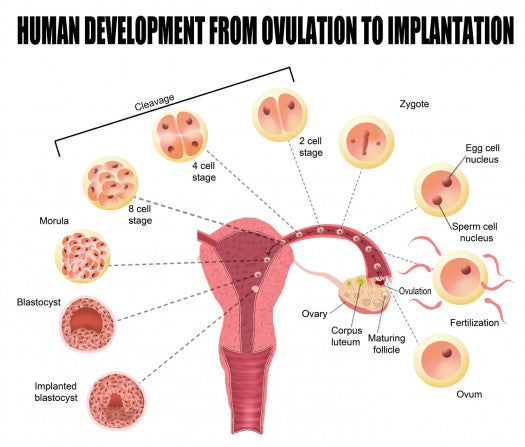
The most common answer is pregnancy. Although you won’t have the typical spotting or bleeding, you’ll still experience some cramping. This happens after the fertilization process, when the embryo attaches itself to the uterus wall. The muscles of the uterine wall contract to make room inside the uterus for the fetus.

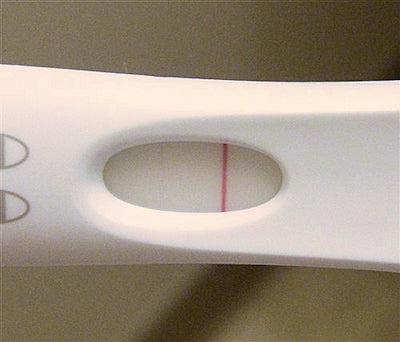
This is best detected with a pregnancy test. If you are pregnant, you should take the necessary steps accordingly. In the event you aren’t pregnant, your doctor will inform you how to get the correct diagnosis.

Mittelschmerz

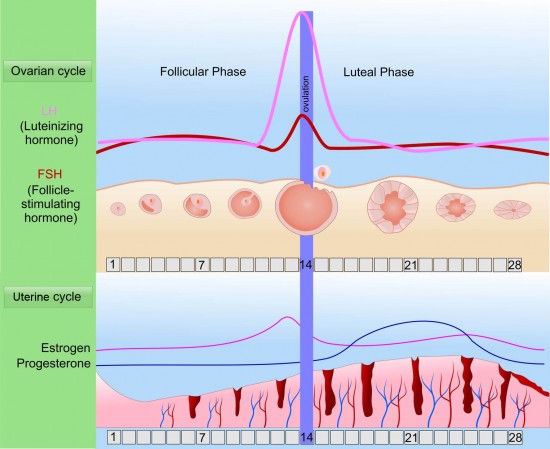
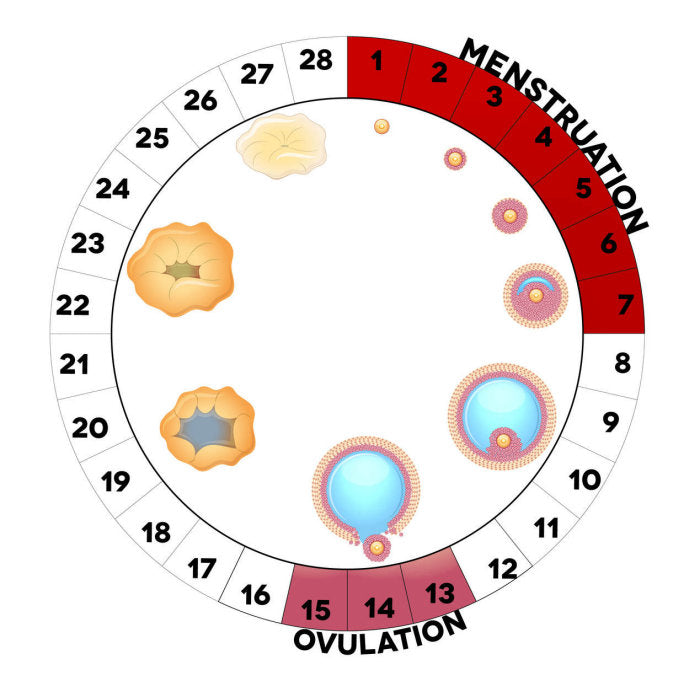
When your ovaries release an egg into the fallopian tube, you may experience a cramping sensation. This is called Mittelschmerz. This feeling lasts typically for only a few hours, but there are cases where Mittelschmerz lasts as long as two days.

Fortunately, there are a few ways you can relieve yourself from this type of cramping:

  • Get lots of rest
  • Drink eight or more glasses of water every day
  • Use a heating pad or take a hot bath
  • Take ibuprofen or naproxen sodium to prevent inflammation

Endometriosis

This is a reproductive disease in which the uterine lining grows and regenerates outside the uterus. In women with endometriosis, the lining can grow on the ovaries, fallopian tubes, uterus, colon, abdomen or bladder. Despite being located outside the uterus, the lining bleeds and regenerates itself normally. This may cause other complications like cysts, scarring and infertility. Some of the symptoms can include:

  • Painful periods
  • Pelvic pain
  • Excessive bleeding
  • Infertility

Endometriosis also causes discomfort during bowel movements and pain during menstruation and between periods.

Your doctor may prescribe medication for temporary pain relief. However, this will only help the pain. Surgery, or a complete hysterectomy if your situation is bad enough, is currently the only permanent answer.

The examples listed typically have an added symptom of minor spotting. Although this is normal, experiencing cramps outside your regular period is a sign that something may not be right. It may be as harmless as Mittelschmerz or something more serious like endometriosis. If the cramps strike and it’s not your normal time, make sure to contact your gynecologist.

Bariatric Surgery and Conceiving a Child

Obesity is a rising problem in the western world. It is estimated that over one in four women of childbearing age is currently obese. Doctors believe that percentage will continue to rise over the next several years. Obesity makes it harder for women to conceive and also creates the potential for complications during pregnancy.

An increasing number of women who struggle with their weight are turning to bariatric surgery. There are several types of bariatric surgery. Each is designed to effectively decrease the size of the stomach, either by removing part of it or by implanting a band or similar medical device. While bariatric surgery poses its own set of risks for those who want to conceive a child, current medical research shows that conceiving a child after bariatric surgery is safer than conceiving a child while obese.

Some of the more common complications experienced by pregnant women who have had bariatric surgery include:

  • Band slippage
  • Band migration
  • Band leakage
  • Spontaneous miscarriage (for the 18 months immediately following bariatric surgery)

Obstetricians and gynecologists recommend waiting at least a year after having bariatric surgery before trying to conceive a child. Roughly one in four pregnancies within a year of bariatric surgery result in complications related to the bariatric surgery. When you do conceive a child, regardless of how long you wait, make sure that your health care providers are aware of your bariatric surgery.

Doctors recommend that women who have had bariatric surgery and want to conceive a child-after the year’s wait, of course-should consult their health care professionals regarding fertility options, nutrition, vitamin supplementation, and weight gain and loss during and following pregnancy.

Doctors stress that the potential effects on conception and pregnancy should not hinder women who struggle with morbid obesity from seeking help through bariatric surgery. The risks of morbid obesity, both to your ability to carry a baby to term and for your own long term health, generally outweigh the potential risks of bariatric surgery.

If you struggle with obesity and haven’t yet undergone bariatric surgery, talk to your doctor about your desire to conceive a child. She will be able to advise you regarding whether bariatric surgery is the best weight loss option for you.


Varicocele Embolization: Nonsurgical Treatment Option for Male Infertility

According to the Mayo Clinic, roughly half of fertility problems are male. Male infertility problems occur for a variety of reasons, including:

  • Misshapen sperm
  • Poor sperm mobility
  • Low production of sperm
  • Injuries
  • Illnesses and health problems
  • Blockages which hinder sperm delivery

One of the most common causes of male infertility has to do with blockages of the varicose veins in and around the scrotum and testicles. The American Urological Association tells us that 15% of all men have blockages of the varicoceles. The numbers are significantly higher for men with fertility problems. Varicocele blockages are involved in 80% of secondary male infertility and 40% of primary male infertility. What’s worse is that these problems are seldom detected unless a man is specifically being checked for potential infertility issues.

There are two common treatments for those with blockages of the varicoceles. The first is surgical and involves tying off swollen varicocele veins and redirecting the flow of blood. The other option is known as varicocele embolization, and does not involve surgery.

With varicocele embolization, doctors insert a small catheter into a man’s veins, either in the neck or in the groin. Tiny coils are then used to cut off the abnormal varicocele veins. As in surgery, the aim is to redirect the blood flow to healthier veins. This relieves swelling in the scrotum and testicles and can improve male fertility.

Between 60-80% of men have improved sperm quality as a result of varicocele embolization. As an added bonus, these results were achieved in half the time as similar improvement due to surgery. Men who receive varicocele embolization treatments generally experienced an improvement in sperm quality within three months of beginning treatment. Varicocele embolization has also proven effective for men who have undergone surgery but have recurring instances of varicocele veins.

For couples receiving fertility treatment, this faster and more effective treatment can save both time and money. Most people who receive fertility treatments are working against the clock, trying to conceive while they are still able to.

If you are having trouble conceiving, it’s important that both you and your partner are checked for possible infertility issues. If one of the problems turns out to be with varicocele veins, you might want to consider varicocele embolization.

Back Acupressure Points for Improving Fertility

While many a back rub has led to sex -and many men would like to believe they usually do- most of us don’t associate them with fertility. Maybe we should.

Don’t get us wrong. We’re not suggesting that simply having him rub your back can lead to a bun in the oven. While it would be nice if it were that simple, there’s a little bit more to it.

Acupressure is a form of Chinese alternative medicine which has been practiced for thousands of years to treat a wide variety of ailments. It involves locating specified acupressure points and applying pressure to them to facilitate the flow of energy (called “chi”) within your body. When chi is flowing properly, acupressure practitioners believe it can help a number of physical and emotional problems, including infertility.

There are many acupressure points which you can apply pressure to yourself. Those on your back, however, are easier (and more fun) for your partner to reach. In most cases, you stimulate the acupressure point by applying pressure to it for one minute, then applying deeper pressure in a circular motion for an additional minute or two.

Get your partner to help you with these acupressure points:

  • UB 33. Your partner can locate your UB 33 points one inch above the crack of your bottom and one inch to either side of your spine. Stimulating this point improves blood flow to your pelvic organs.
  • UB 32. These points are located an inch higher and an inch further from the spine from UB 33. They also improve blood flow to pelvic organs.
  • UB 31. These points are located an inch higher and farther from the spine than UB 32. As with the other lower UB points, this point improves blood flow to your pelvic region.
  • UB 23. These points are located at the level of your kidneys, an inch and a half from your spine, on either side. Stimulating the UB 23 point improves menstrual regularity and helps with other vaginal discharges.
  • DU 4: This point is located directly between your UB 23 points over your spine. Stimulating it increases energy to your pelvic organs and can help with sterility.

Stimulating these pressure points can be beneficial during either half of your menstrual cycle, but not during menstruation itself. While stimulating back pressure points can help promote fertility, it’s best to avoid getting the top of your shoulders rubbed after you ovulate, as it is believed that stimulating the top of the shoulders can lead to uterine contractions which can cause early miscarriages.

All about Artificial Insemination

One of the earliest forms of assisted fertility was artificial insemination. Artificial insemination is one of the least complicated and invasive fertility procedures, and for some couples it can be a pathway to pregnancy.

It’s important, first of all, to know what kinds of fertility conditions make a couple good candidates for artificial insemination. Here are some of the types of fertility struggles that may make artificial insemination right for you:

  • The cause of infertility cannot be readily identified.
  • There are problems with a man’s body releasing sperm and/or semen. An example of this is retrograde ejaculation, in which the sperm and the semen are actually released into the urinary bladder rather than coming out the penis.
  • The male partner has a low sperm count or problems with sperm quality. For some couples, a more advanced form of artificial insemination known as ICSI (introcytoplasmic sperm injection) might be necessary.
  • Certain cervical problems, such as difficulties from a surgery, that might keep sperm from traveling past the cervix.
  • There is no male partner.

How does artificial insemination work?

Before the artificial insemination process, sperm are washed and concentrated. This means that your fertility specialist actually filters out the sperm that are the healthiest and most active, that will have the best chance of fertilizing the egg.

There are multiple types of artificial insemination, but Intrauterine Insemination (IUI) is the most common. During this process, the sperm is placed directly into the uterus of the female partner during ovulation. The process uses a thin tube, passed through the vagina and past the cervix into the uterus.

Artificial insemination is usually combined with the use of fertility medications to help a woman ovulate and increase the number of eggs that are available for fertilization.

Other types of artificial insemination involve placing the sperm into the cervix, the fallopian tubes or even simply the vagina in hopes of achieving pregnancy.

What to expect with artificial insemination

Artificial insemination is usually done as an outpatient procedure. You may have some discomfort and cramping during the process, especially if you are undergoing IUI.

Depending on the cause of your fertility problems, artificial insemination can double your chances of getting pregnant.

CoQ10 and Fertility – Can It Help Me?

What is CoQ10?

CoQ10 is a supplement that is similar to a vitamin. It affects cells by producing energy via the cell mitochondria. It can also prevent cell damage as it acts as an antioxidant.

Production of CoQ10 decreases as we age. When the CoQ10 in the cells lowers, energy production can also be lowered and increase oxidative stress on on sperm and eggs.

CoQ10 and Egg Quality

CoQ10 studies have demonstrated improved egg quality in women with poor egg quality or advanced reproductive age

Researchers believe that the CoQ10 recharges mitochondria in eggs and reinforces the processes for successful fertilization of the egg.

CoQ10 and Its Effect on Sperm

Taking CoQ10 for a number of months can help with sperm count, morphology and motility according to studies.

Sperm count is the number of sperm in a sample, motility is the way that sperm ‘swim’ by moving their tails, and morphology is an indication of whether the sperm are shaped and sized properly.

Dosages

Women
In the studies, the recommended dosage was between 100mg and 300mg per day. The studies, researching egg quality, used dosages up to 600mg a day.

Men
Sperm studies dosage was 200mg daily.

Important to Know

CoQ10 is better taken with meals that contain fat or oils, as the supplement is fat soluble.

As with all supplements, talk to your healthcare provider before starting to take it as it can react with some prescription medications and can have some side effects.

Possible side effects include, but are not limited to:

  • nausea
  • heartburn
  • rash
  • insomnia
  • irritability
  • fatigue
  • increased sensitivity to light
  • flu-like symptoms.

Lower blood sugar and blood pressure have been reported after taking CoQ10, so talk to your doctor before taking it. If you have hypoglycemia or are diabetic, talk to your doctor first. Studies have also shown that supplementation over 300mg a day may result in higher liver enzyme levels if taking for an extended time period.

  • Pages

  • Categories

  • Latest Pins on Pinterest

    • Embrace the pain and use it as fuel for our journey.

    • Keeping your Relationship strong during Infertility Treatments

    • Keeping your Relationship strong during Infertility Treatments

    • Follow Me on Pinterest

The information provided here should not be considered medical advice. It is based on the average experience of women trying to conceive and may not be what you may be experiencing. It's not meant to be a replacement for any advice you may receive from your doctor. If you have any concerns about your cycle or our ability to get pregnant, we advise you to contact your doctor.